December 1, 2021
What is the origin of the word “University”?
By Ahmad Jan “Mano”
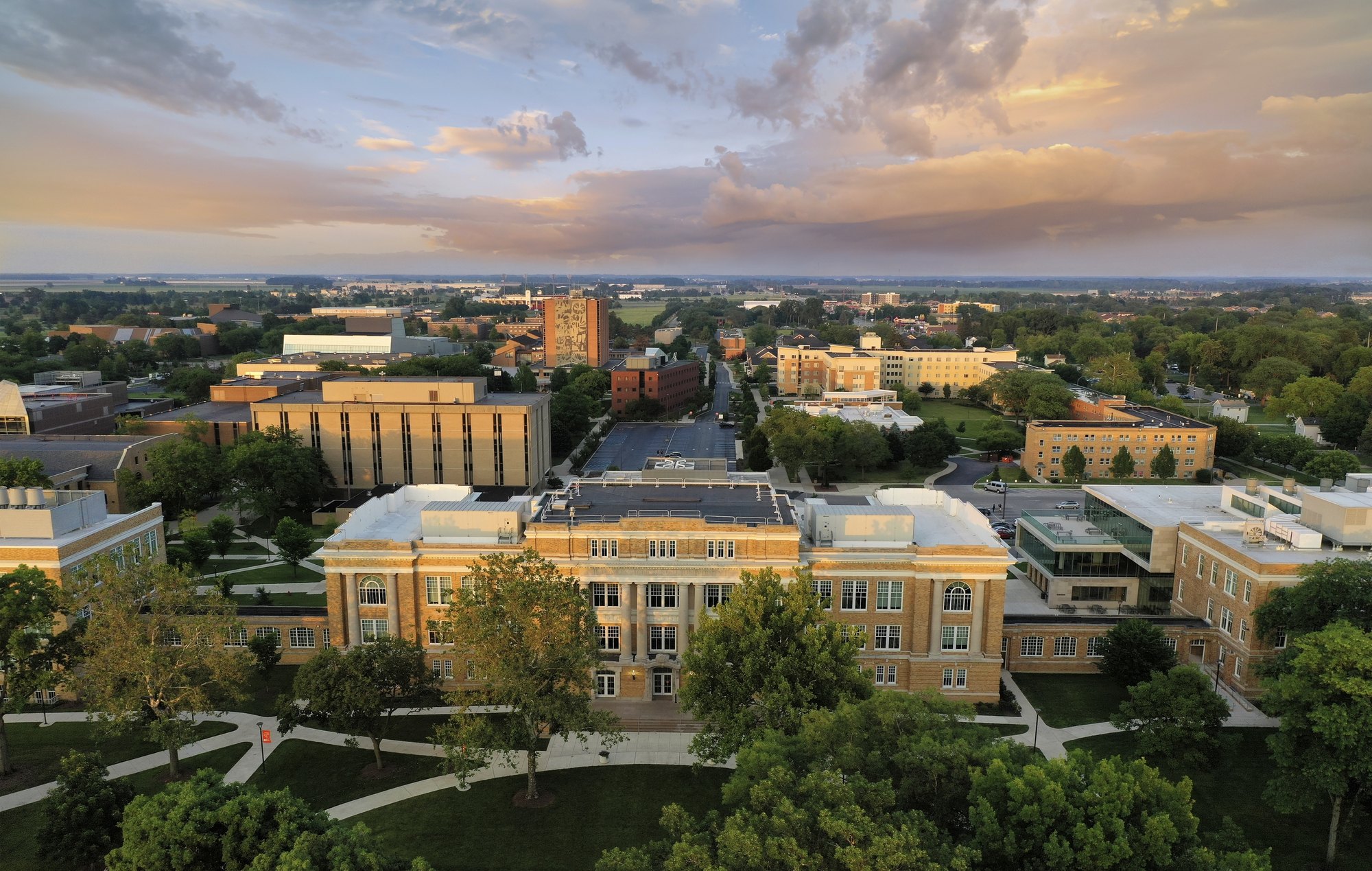
The term "university" has been the subject of much debate, especially on social media platforms like Facebook. In some cases, these discussions have even led to heated arguments. This prompted me to take a brief look at this topic.
"Daneshgah" (University) is an authentic and beautiful word. Linguists believe that the word Daneshgah is an authentic term in Dari/Persian, which is indeed accurate. Furthermore, this word originates from the Aryan languages (Pashai/Aryan), which are considered the mother languages of the Indo-European family.
The word is derived from Danik (to know/understand) and is a combination of Dans and Gah, meaning "a place of learning." According to linguistic rules, the pronunciation and form of words evolve over time, but their original meaning and root remain intact. For instance, in the Aryan language, the word Dans means "to know or understand." In the Pashai language, the letter S often changes to Sh, leading to Danesh. In Dari/Persian, this term is used for knowledge and learning.
When we remove the infinitive marker (such as tan in Danestan), the root Dans remains. In the Pashai language, this root is still used as a verb meaning "to know or understand." For example: in Pashai: Danim, Dani, Danga, Danis, Danida, Danin. In Dari/Persian: Midanam, Midani, Midanad, Midanim, Midanid, Midanand. In Pashto: Pohayam, Pohayee, Pohayee, Pohayoo, Pohayee, Pohayee.
The meaning of "Gah" in languages: In Pashai and Aryan languages, Ga is a marker for the third person present tense and implies "place" or "position." For example, the combination of Danesh + Ga creates the term Daneshgah, meaning a place of learning or a university.
Effects of time and linguistic evolution: In the Pashai language, the letters of words change over time while retaining similar phonetics. For instance, the letter S changes to Sh (e.g., Danesh/Danesh), and the letter J changes to G (e.g., Jan, Gan). Thus, the word Daneshgah holds a shared meaning across all Aryan languages, and its equivalent in Pashto is Pohantoon.
Enriching literature and languages: Language represents the culture and identity of any nation. Therefore, speakers of every language should strive to enrich their literature and preserve their language. In this way, we can pass on our heritage to future generations. Both Dari/Persian and Pashto languages originate from the same Aryan source, sharing many similar words and grammatical structures. For example: verbs in both languages often end with M or Me, and the roots of words are similar in both languages, such as Khordan (to eat) in Dari and Khurul in Pashto.
Conclusion: There is no difference in the meaning of the terms Pohantoon and Daneshgah. Both refer to a place of learning. Every language represents the identity and values of its speakers. Thus, enriching the literary heritage of languages is essential for every nation.
I hope scholars and literary researchers will share their academic insights and suggestions regarding this writing so that readers may benefit from it.
Best regards,
Ahmad Jan "Mano"
Denmark – December 2021
This piece is preserved from its original document.
Read the full original (PDF)