November 6, 2026
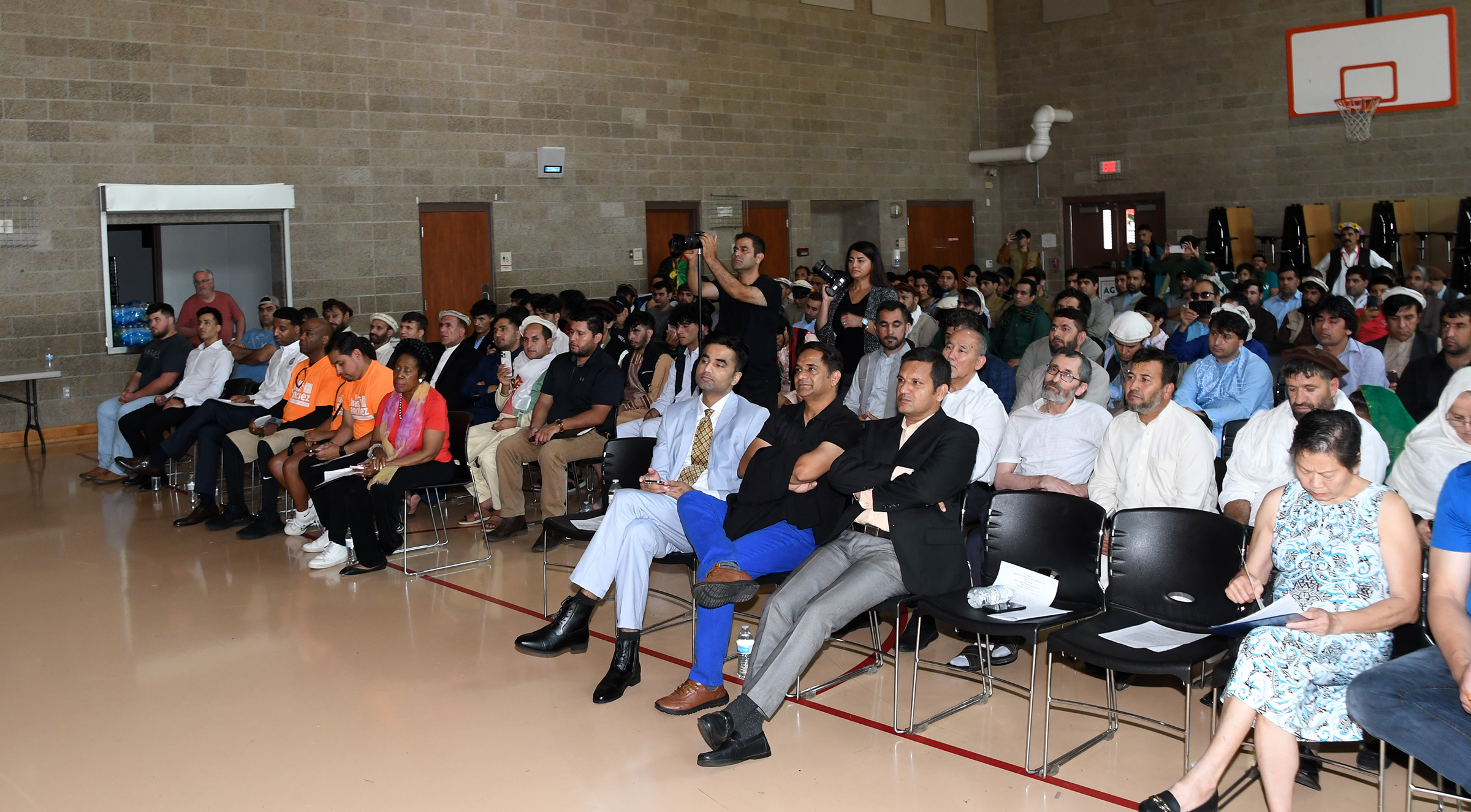
Pashai National Language Day Celebration — Speech
By Abdulsalam Rasooli
Ladies and gentlemen,
Welcome to the Pashai National Language Day celebration on this auspicious 14th of June. Let me clarify a little confusion here created. Actually, formal day for the Pashai Language day which is also announced in Calendar is on 14th of June — converted from Jawzaa 24. Due to this purpose we chose this date, 17th; it's a weekend so everyone could participate.
Today, we gather here to honor and commemorate the rich heritage and cultural significance of the Pashai tribe. The Pashai people, belonging to the Aryaee tribe, have a unique language called Pashai, which holds a special meaning in their language and culture, symbolizing the language of listening and hearing. The Pashai tribe is one of the fifth tribes of Afghanistan, the majority of whom live in the eastern part of Afghanistan and also Kapisa, Parwaan, and Kabul. They have around three million population in Afghanistan.
In the current evacuation, thousands of Pashai families evacuated from Afghanistan — we are thankful to the USA. Besides that, many more Pashai formal families are living in the United States. The current evacuated Afghan Pashai settled in different States of the United States. Among them, 65 families live in Houston. Afghan Pashai Community in the United States has branches and representatives under this community; our main office is in Houston, Texas.
Historically, the Pashai tribe derived its name from the ancient word "Pasha/Padshah/Shehan Shah," meaning "king." This name reflects their past influence and power, as they ruled over a vast territory extending from Kabul to Kashmir. The Pashai tribe, along with the Nooristani people, shares a common ancestry and speaks different accents of the same language. Notably, these tribes played a significant role in defeating Alexander the Great in Nooristan.
Throughout history, the Pashai tribe has been at the forefront of defending and protecting Afghanistan in times of war, displaying immense bravery and sacrifice. Despite the lack of awareness among many Afghans about the Pashai tribe, today's celebration aims to share their history and culture with others. The Pashai people, residing in the mountains, are renowned for their hospitality, courage, talents, and bravery.
Looking back at Afghanistan's history, we remember prominent Pashai leaders who fought against foreign invasions, such as Mir Masjidi Khan, who resisted the British, and Mullana Abdulmateen, Amir Mustafa Khan, and Sherkhan, who united against the Soviet invasion. These brave leaders represented the will of the people, and we honor their memory.
In the last two decades, the Pashai tribe has made significant contributions and sacrifices, losing thousands of soldiers in various provinces of Afghanistan. Today, we pay tribute to four legendary heroes: Shahid Qasem Khan, who protected the Afghan border in Nangarhar's Goshta district in a face-to-face fight; Shahid Mohammed Omer and, from Laghman, Shahid Abdulwali Khan; from Dari-e-Noor, Javid from Khiwa, who bravely confronted and gave hugs to suicide bombers to save thousands of others' lives; and Shahid General Halim Shah Qaderi, who fought alongside his soldiers and was always ahead of them, saying his life was not more important than his soldiers' — until his martyrdom, we will never forget his bravery.
The Pashai people possess a unique culture that sets them apart from other Afghans. They maintain ancient traditions during weddings and funerals, exhibiting their strong sense of community and peaceful coexistence. The Pashai language is of significant historical importance, with its roots traced back to Sanskrit, the mother of the Indo-European languages.
Despite their rich heritage, the Pashai people have faced neglect and lack of political and educational rights. Their remote mountainous location should not hinder their access to education and basic services. Specially here in the United States we have Pashai families who can't speak Pashto or Dari — only Pashai, which is totally different from our other Afghan brothers' languages. We request and want to facilitate the learning of English language for them.
In conclusion, the Pashai tribe, with a population of approximately three million, deserves recognition and inclusion in the national fabric of Afghanistan. Their contributions, sacrifices, and unique culture should not be overlooked.
Thank you.
— Abdulsalam Rasooli
This piece is preserved from its original document.
Read the full original (PDF)